Sumo Tour
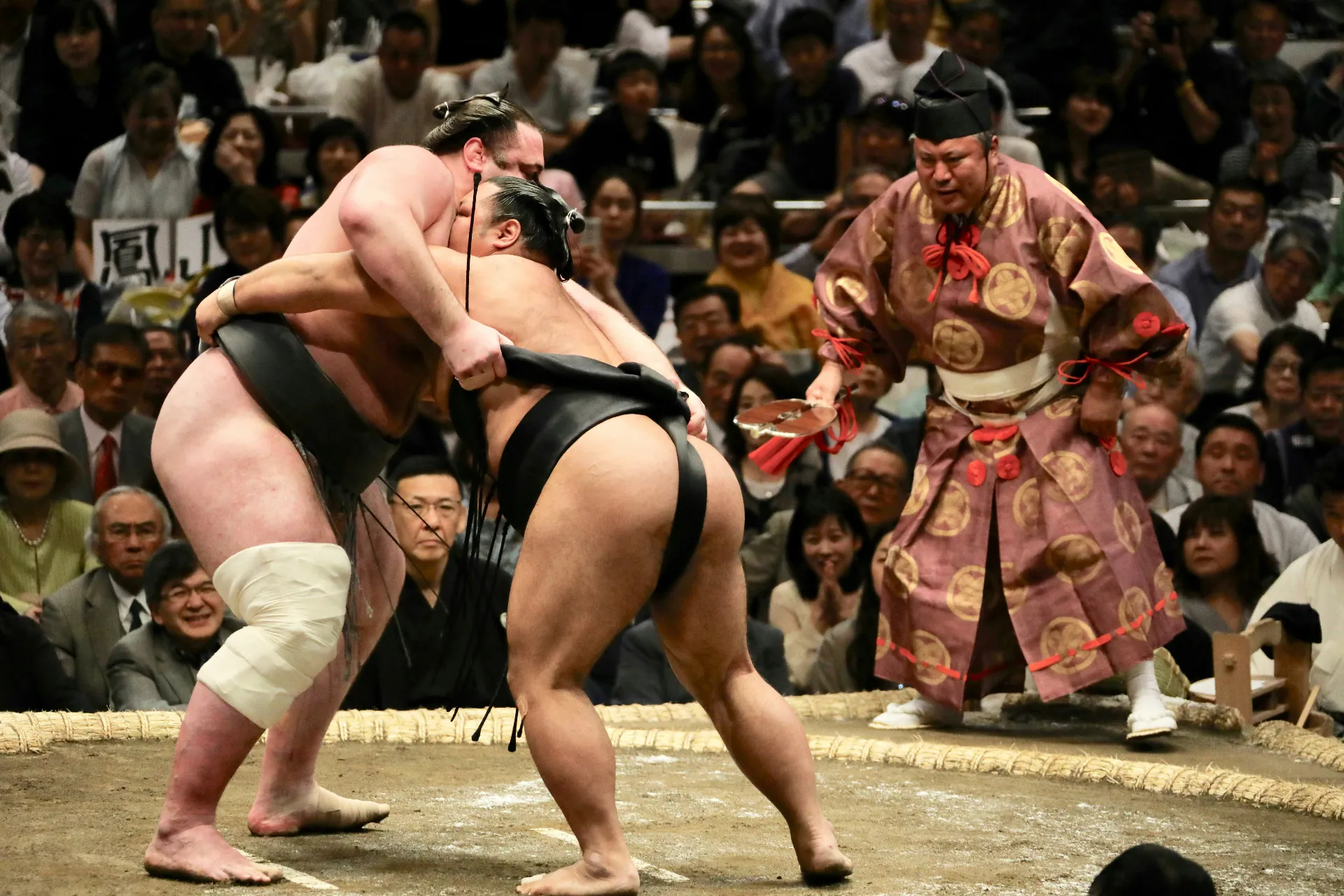
Ryogoku is the heart of sumo, and this full-day tour brings you close to a tradition carried on for more than a thousand years. The morning begins at a sumo stable where wrestlers train before dawn and the air fills with stamping feet and the coach's calls. Then come the district's temples and shrines, the Kokugikan arena and the sumo museum.
Who it suits
Anyone curious about Japan's national sport and its traditional riverside streets.
Highlights
Sumo training, Kokugikan arena and museum, and Ryogoku Edo Noren food hall.
Local flavors
Chanko nabe – the sumo wrestlers' own hearty hotpot – at a local restaurant in Ryogoku.
About tickets
This day includes stops that must be reserved in advance (such as sumo, museums or workshops). I help you with the practical arrangements — you only pay the original price, with no markup or added fees on the ticket cost.
Sumo tickets – how it works
- You simply choose the number of tickets — no seat categories to worry about. I secure the best available chair seats for you.
- No payment is charged today. Once the tickets are secured, you reimburse the exact ticket cost of ¥6,000 per ticket at face value.
- Book well in advance: the booking must be placed no later than 40 days before tickets go on sale for the tournament in question. Dates during the tournament week and the week after cannot be booked at all — the calendar only shows dates I can still get tickets for.
- The guiding fee is paid later via a payment link — only once I have confirmed that your tickets are secured. Your chosen date is reserved in my calendar either way.
- I can buy a maximum of 6 tickets. Need more? Let me know in your booking message.
- Tickets are released well in advance for each tournament. Please give me several possible dates in your booking — it makes it much easier to secure seats.
- If I cannot get tickets for your chosen day, I will adapt the guiding to follow the itinerary for that day. The sumo tournament visit is then moved to a day when seats are available — perhaps the next day or two days later — and you will receive the tickets for that day and attend the tournament on your own.
- If you want me to join you at the tournament, my own ticket is paid by you as an extra cost.
- Tickets are only arranged in combination with a guided day — they cannot be bought separately.
- If you cancel the guiding after the tickets have been purchased, the ticket cost is not refunded.
Ryogoku Station
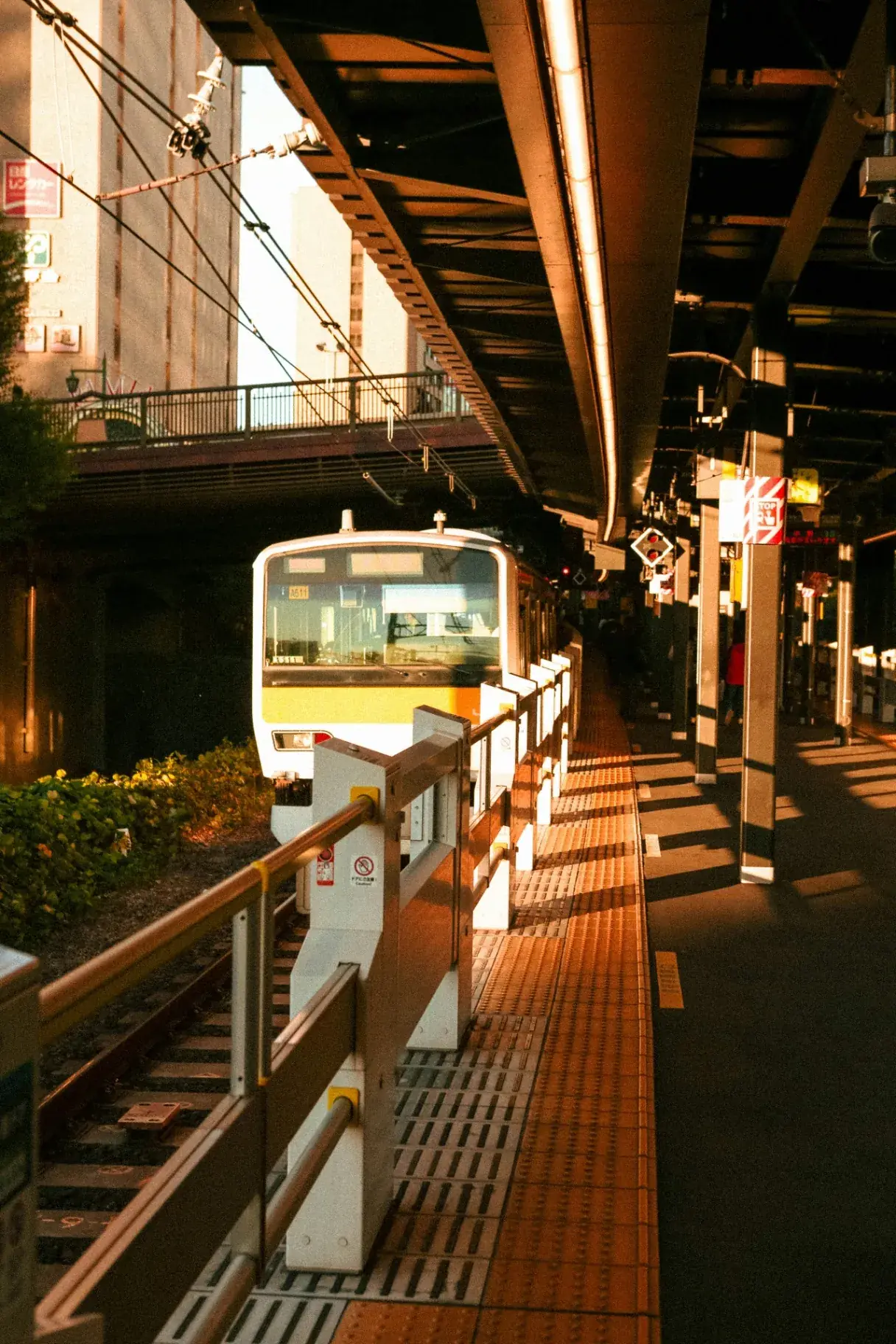
The journey begins early at Ryogoku Station to catch the morning training session. This district has been the center of sumo wrestling for centuries, home to most of Tokyo's sumo stables and the grand Kokugikan arena.
Sumo Stable Morning Training (Asa-geiko)
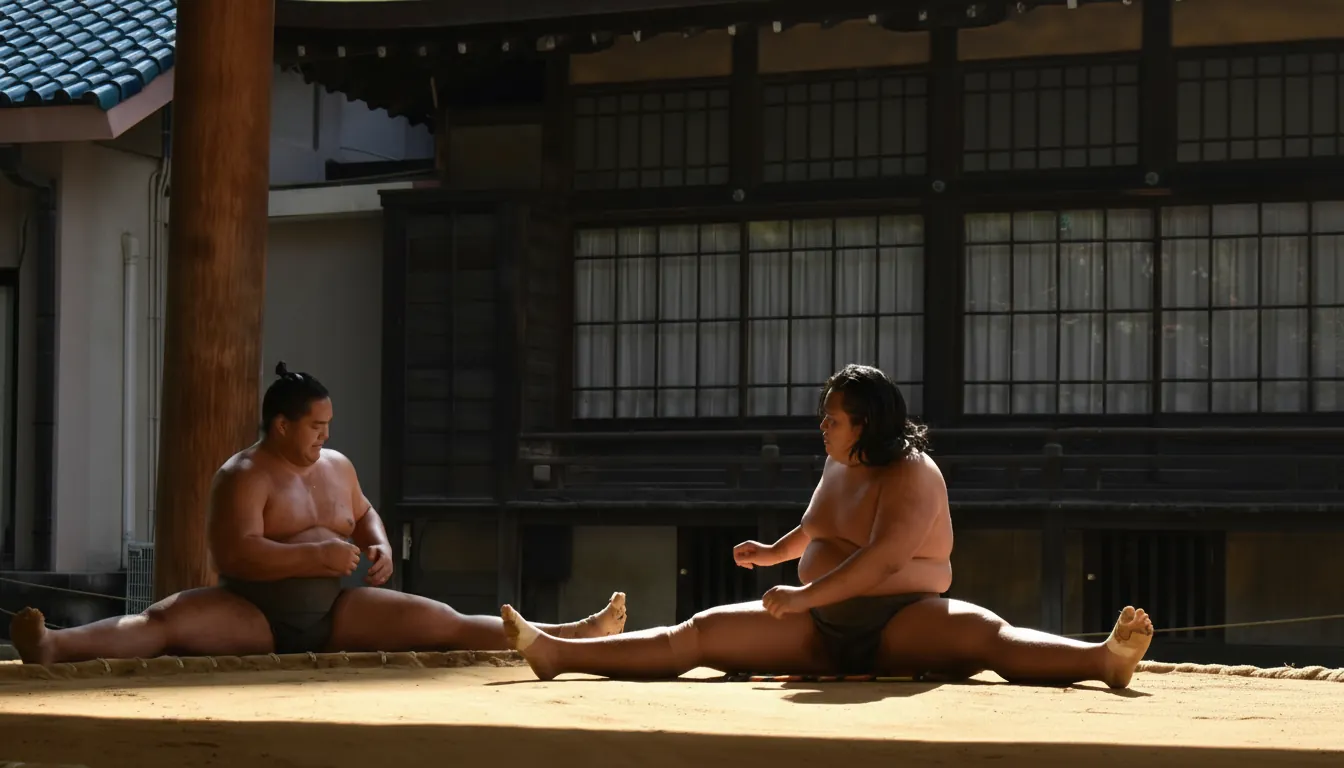
1.5 hoursA rare privilege to witness asa-geiko, the intense morning practice at an authentic sumo beya (stable), such as Otowayama-beya. Watch wrestlers perform shiko leg stomps, practice bouts on the clay dohyo ring, and observe the strict seniority system in action. Strict etiquette applies: silence, no food or drink, and respectful observation. This intimate experience offers insight into the dedication and discipline of sumo life.
Eko-in Temple
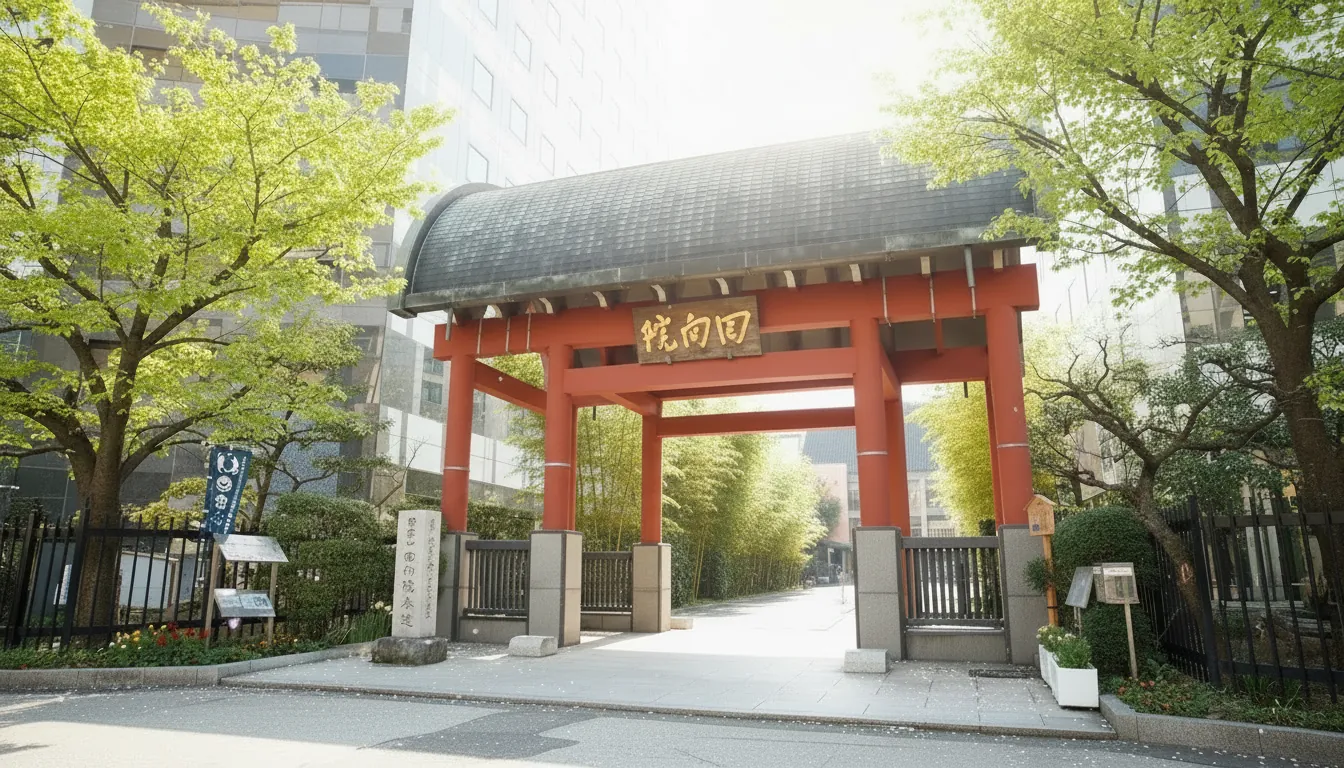
20 minutesThis historic temple served as the venue for sumo tournaments for nearly 200 years before Kokugikan was built. The temple grounds contain monuments to famous wrestlers and the spirits of sumo's past. A stone marker commemorates the birthplace of modern sumo.
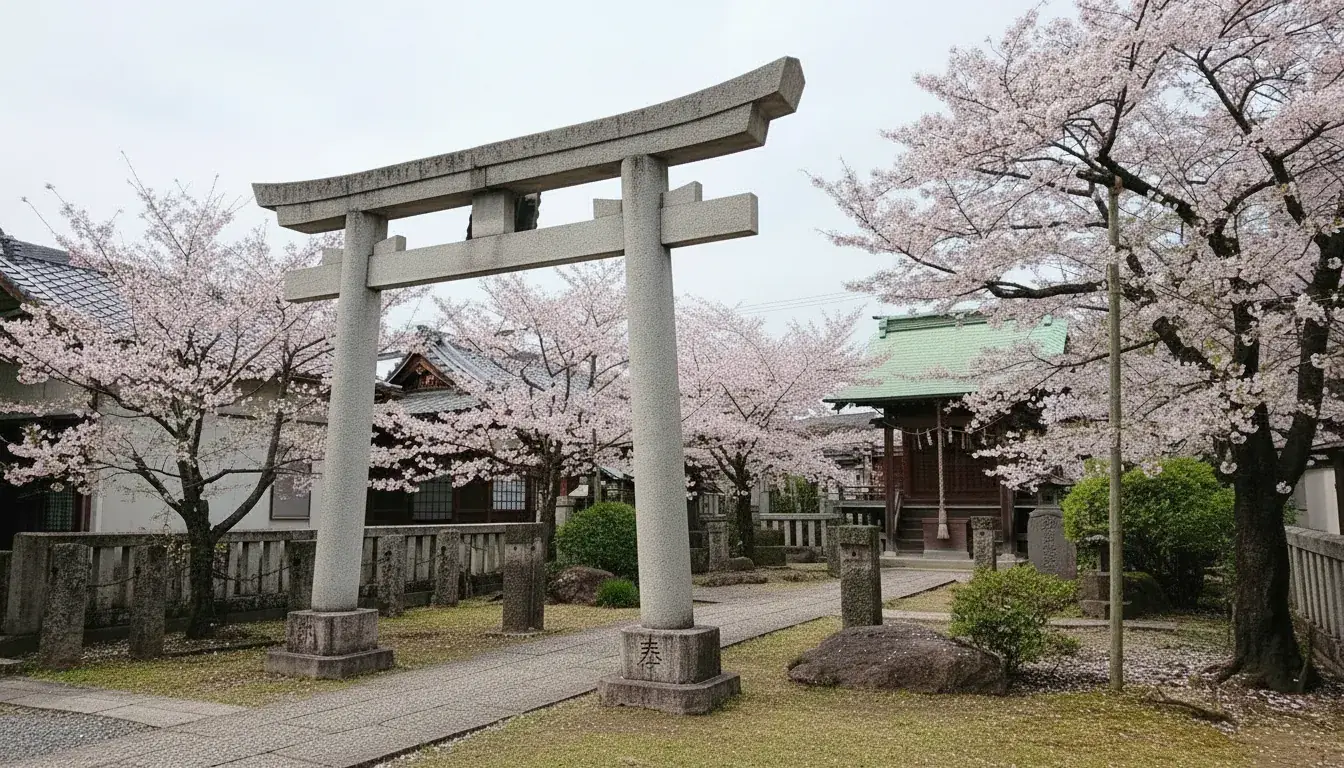
Nomino Sukune Shrine
15 minutesA small but significant shrine dedicated to Nomino Sukune, the legendary figure considered the father of sumo wrestling. According to ancient texts, he defeated his rival in a wrestling match in 23 BCE, establishing the foundations of sumo. Wrestlers visit here to pray for success.
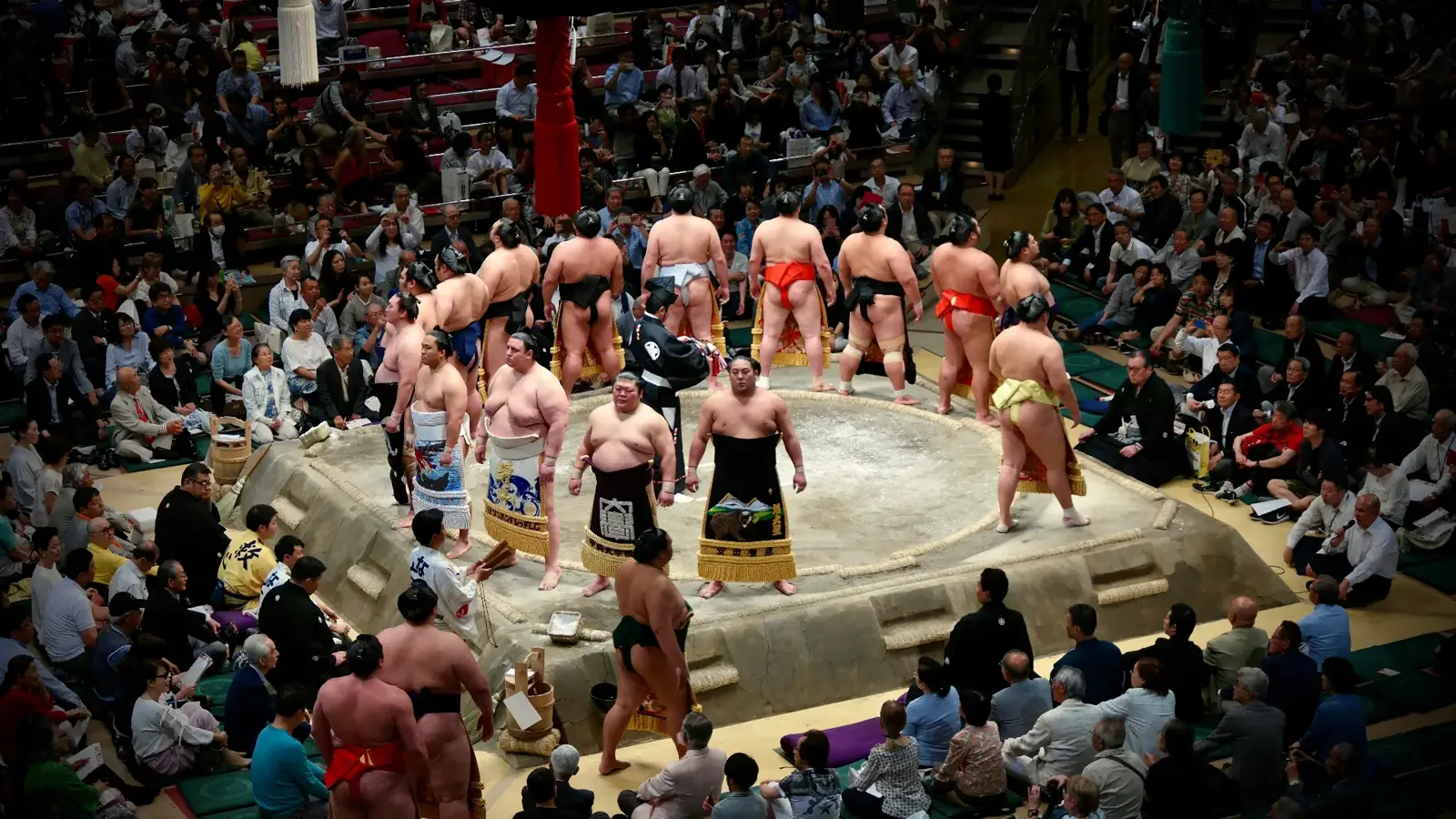
Ryogoku Kokugikan, Sumo Museum & Edo Neighborhood
2.5 hoursJapan's premier sumo arena seats 11,000 spectators and hosts three of the six annual grand tournaments (January, May, and September). We visit the Sumo Museum inside Kokugikan with its colorful ceremonial aprons (kesho-mawashi) and portraits of every yokozuna, then stroll Ryogoku's Edo-era streets, home to sumo stables and chanko restaurants. (If you are visiting during an official tournament with tournament tickets, we enjoy our chanko nabe lunch first and spend the afternoon inside the arena watching the top-division bouts.)
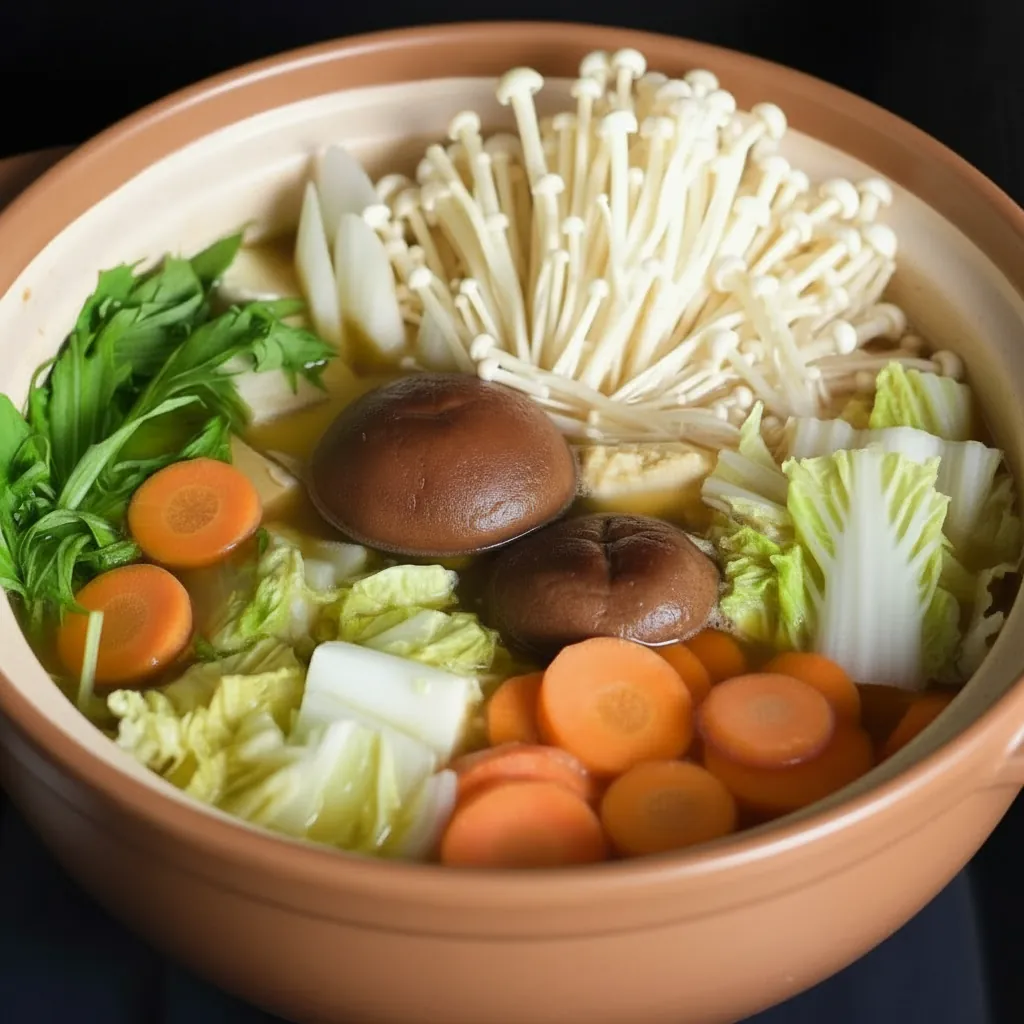
Chanko Nabe Lunch
1.5 hoursEnjoy an authentic chanko nabe lunch at a restaurant often run by retired wrestlers. This protein-rich hot pot is the staple meal of sumo wrestlers, packed with chicken, fish, tofu, and vegetables in a savory broth. Many chanko restaurants display wrestler memorabilia and photos of famous patrons.
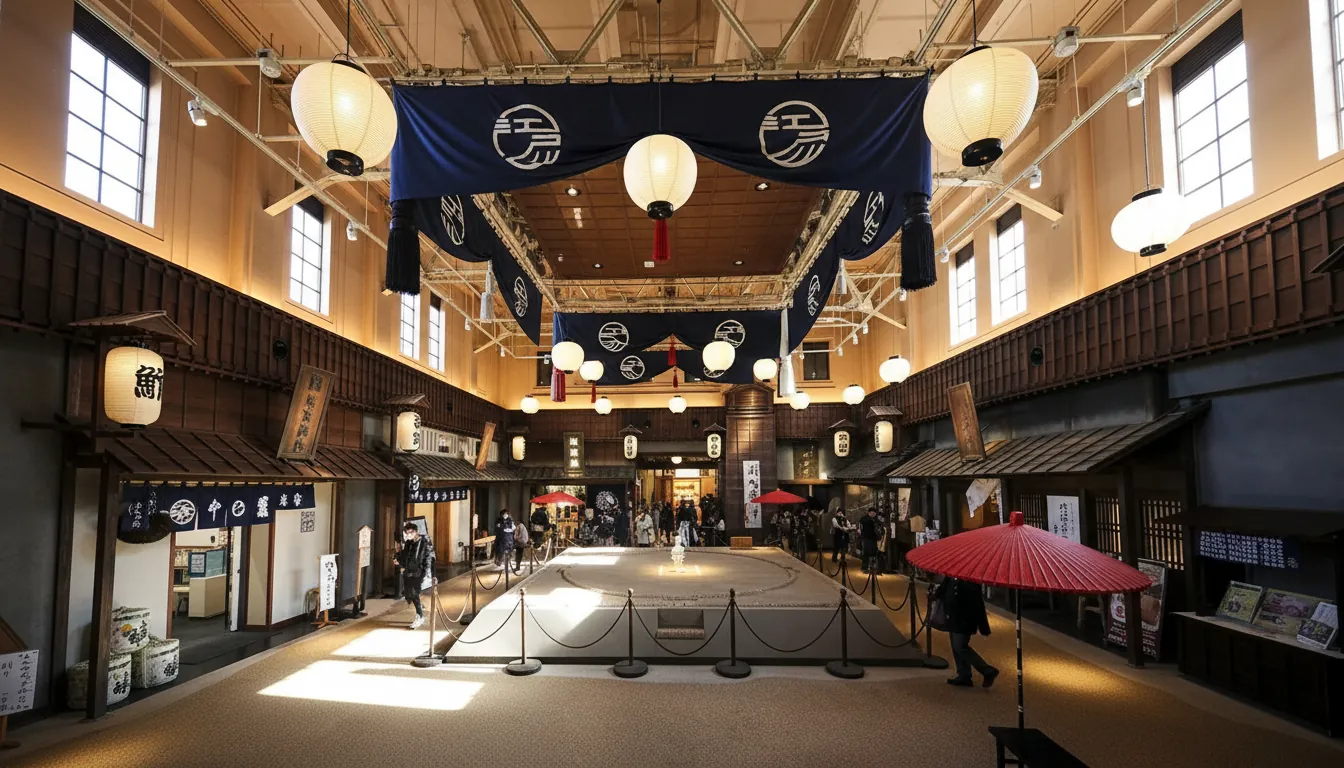
Ryogoku Edo Noren
30 minutesInside the beautifully restored 1929 station building, this food hall recreates an Edo-period atmosphere with a full-size dohyo ring as its centerpiece. Browse specialty shops selling sumo goods, traditional crafts, and local delicacies. The architecture itself is a designated cultural property.
Ryogoku Station
Our sumo adventure concludes back at Ryogoku Station. Today you experienced the authentic world of Japan's national sport—from the discipline of morning training to the history preserved in shrines and museums, and the hearty cuisine that sustains these remarkable athletes. You now carry insights into sumo that few visitors ever discover.
Ready to experience this journey?